

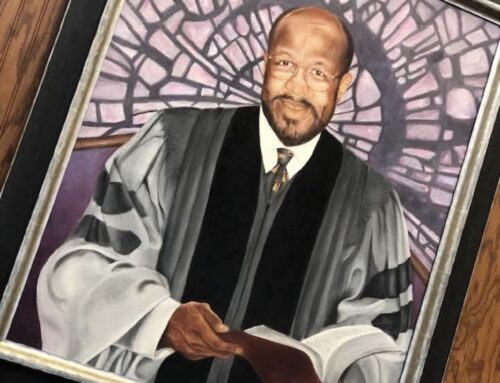
by Rev. Dr. Kevin A. Slayton, Sr.
Percival Everett’s James is more than a novel; it is a meditation on the enduring human spirit under the weight of systemic cruelty, and it reads like a mirror to the historical soul of Black America. Each day I awake and pray that the good lord above would do something about the mess that is upon our nation. I pray that God would intervene into the affairs of those suffering in countries suffering under the violence and oppression of this new 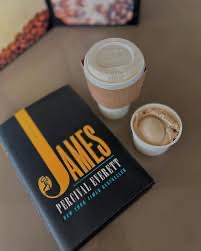 administrative regime. I pray that God would bring an end to the overt attack on our democracy and the progress made by people of color. But as I read, I could not help but feel the long, unbroken chain of prayers from our ancestors rising from the pages. I could hear the prayers whispered from the hold of slave ships, muttered in the fields under the lash, spoken through tears while white planters went to church and then to lynchings. Surely, they must have wondered, “Where is God?” “Does God care for us?” “Has God turned a deaf ear to our suffering?”
In James, Everett captures that same anguished questioning. James himself experiences a world in which his humanity is denied at every turn. His wife is violated, his own life commodified, his very being sold from one master to another. And yet, in these brutal circumstances, the book launches into tales that are at once tragic, absurd, and profoundly human. The act of being sold is not merely a narrative catalyst and it becomes a portal into the historical and ongoing reality of Black suffering under white supremacy. It is also a moment that forces the reader to confront the agonizing question: when disaster strikes, and injustice reigns, to whom does one cry out?
A particularly haunting moment comes when James asks Huck if he believes in Jesus, during a flood that threatens their lives. There is no subtlety here! Everett is asking the reader to reckon with the long history of Black Americans who, for centuries, may have felt their prayers received less divine attention simply because of the color of their skin. 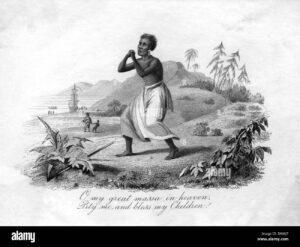 For James, it is not pride that compels him to direct the question to Huck; it is recognition of a painful truth: in a world organized by race, those with lighter skin often have a greater claim to mercy in the eyes of both men and, perhaps tragically, God. It is a moment that echoes the generations of Black people who learned to code-switch, to downplay intellect, to shrink themselves, just to survive in a society that valued them less than their white counterparts.
Everett’s James is a testament to endurance. It asks of the reader and of Black Americans who have lived this history to hold two truths at once: that suffering can be so immense it seems God is silent, and yet that hope and humanity persist even in the most dehumanizing circumstances. The novel does not offer easy answers, nor does it wrap pain in tidy conclusions. But it offers something perhaps more powerful: recognition. Recognition that Black lives have long been subjected to the world’s cruelty, and recognition that the act of survival, especially keeping ones faith when faith seems absent and is itself assumed to be a sacred act.
Reading James as a black man in America who preaches the gospel to a disinherited people, I felt the weight of centuries in Everett’s storytelling. I felt the prayers of my ancestors rising in the words between the lines, carrying grief, endurance, and unbroken hope. And I felt, the quiet insistence that, even when God seems silent, the cries of the oppressed have not gone unheard—they persist, echoing in stories like this, demanding that the world witness, remember, and reckon.





Leave A Comment